What are performance marketing channels?
In today's results-driven digital landscape, performance marketing has become essential for businesses seeking measurable ROI. This comprehensive guide explores what performance marketing truly is, breaks down the most effective paid performance channels, and reveals proven strategies for tracking advertising channel performance. Learn how performance marketing agencies leverage data, creative optimization, and strategic channel selection to transform digital advertising from a cost center into a predictable growth engine. Whether you're new to performance-based digital marketing or looking to optimize existing campaigns, this guide provides actionable insights and frameworks for success.
The Ultimate Guide to Performance Marketing in 2025: From Channels to Creative
Introduction: Why the Marketing World is Obsessed with Performance
In today's digital landscape, where every marketing dollar is scrutinized, a seismic shift has occurred. Businesses are no longer satisfied with vague promises of "brand lift" or "awareness." They demand accountability, precision, and tangible proof of success. This is the world of performance marketing, a results-driven discipline that has moved from a niche tactic to the central nervous system of modern digital strategy.
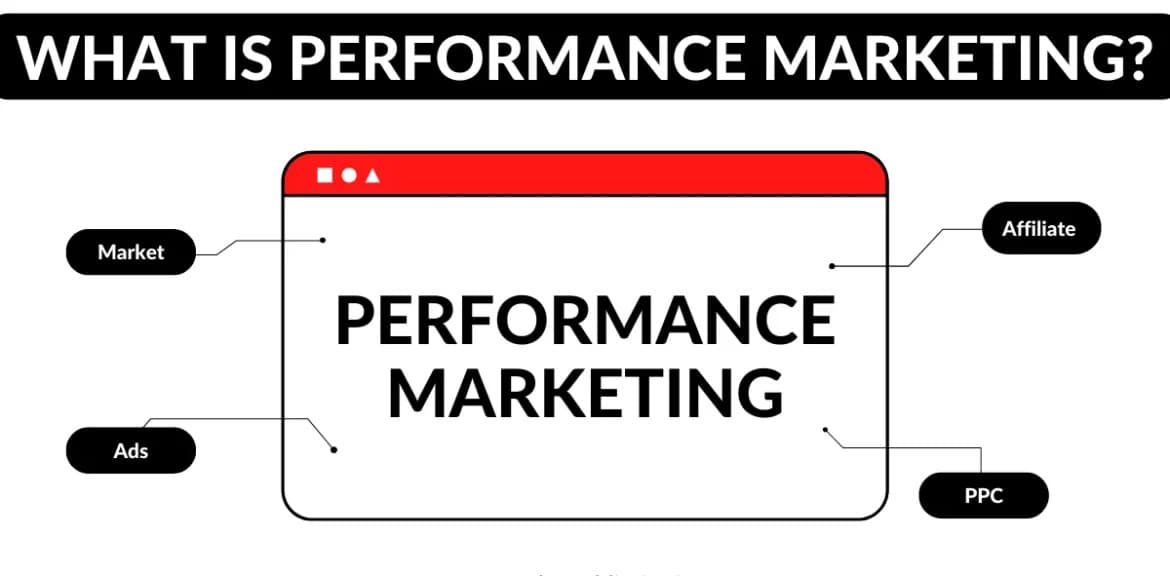
At its core, performance marketing is a strategic approach where payment is directly tied to the achievement of specific, measurable actions, such as a click, lead, or sale. This "pay-for-performance" model fundamentally shifts the risk from the advertiser to the publisher or partner, ensuring that you only pay for the outcomes that drive your business forward.
This comprehensive guide is your definitive resource for mastering performance marketing in 2025. We will deconstruct its core principles, explore the most powerful paid performance channels, demystify advertising channel performance tracking, and unveil the secrets of high-converting performance marketing creative. Whether you're a seasoned marketer or a business owner looking to scale, this guide will equip you with the performance marketing insights and strategies needed to transform your digital advertising from a cost center into a predictable, profitable revenue stream.
What is Performance Marketing? Demystifying the Core Concept
Let's start by clarifying what performance marketing is—and what it is not. It’s a broad strategic discipline that encompasses planning, channel selection, execution, and optimization of campaigns where payment is based on measurable results.
Performance Marketing vs. Traditional Advertising
Unlike traditional brand advertising, which often pays for impressions (CPM) with indirect ROI, performance marketing is transaction-focused. Your budget is an investment directly linked to actions that matter: a new customer acquisition (CPA), a qualified lead (CPL), or a website click (CPC).
Key Characteristics of Performance Marketing:
Results-Driven: Every campaign is launched with a clear, measurable goal (KPI).
Accountable & Trackable: Advanced tracking technologies ensure every user action is attributed to a specific channel and campaign.
Optimizable: Continuous A/B testing and data analysis allow for real-time adjustments to maximize return on ad spend (ROAS).
Scalable: Successful campaigns can be systematically scaled by increasing budget while maintaining efficiency.
What Are Performance Marketing Channels? Your Roadmap to Revenue
Performance marketing channels are the digital platforms and partnerships that allow you to execute this results-driven approach. They are characterized by their built-in ability to track user actions and facilitate payment based on those actions.
The 7 Most Powerful Paid Performance Channels in 2025
While the landscape is vast, several channels consistently deliver superior performance of marketing efforts due to their reach, targeting capabilities, and measurable outcomes.
Search Engine Marketing (SEM/Google Ads): The undisputed leader for capturing high-intent users. With nearly 90% search market share, Google Ads allows you to place text ads directly in front of users actively seeking solutions, making it a prime bottom-funnel channel. Pros: Unmatched intent-based reach, clear metrics. Cons: Highly competitive, requires constant monitoring.
Social Media Advertising (Meta Platforms - Facebook & Instagram): A powerhouse for both upper-funnel awareness and lower-funnel conversions. Meta's sophisticated retargeting and detailed demographic targeting make it a versatile core channel for many businesses.
Native Advertising: This involves paid ads that seamlessly blend into the editorial flow of a website or platform (e.g., sponsored articles, "recommended for you" widgets). Because they match the form and function of the surrounding content, they often bypass "ad blindness" and can build significant trust, accounting for up to 25% of the global ad market.
Affiliate Marketing: A partnership model where you pay external publishers (affiliates) a commission for driving a specific action. This is the purest form of pay-for-performance advertising, as you only pay for actual sales or leads. It offers wide reach and scalability but requires careful management of partner quality.
Display Advertising: Utilizing banner, video, and interactive ads across websites. Modern programmatic display uses AI for hyper-personalized targeting based on user behavior, moving beyond basic demographics.
Connected TV (CTV) Advertising: Delivering video ads through internet-connected TVs (Smart TVs, Roku, etc.). CTV merges the high-impact experience of TV with the precise targeting and measurability of digital, allowing for household-level targeting.
Retargeting/Remarketing: While not a channel in itself, retargeting is a critical tactic across SEM, social, and display. It focuses your spend on users who have already shown interest in your brand, dramatically increasing conversion likelihood and improving overall performance marketing growth.
The Engine Room: Advertising Channel Performance Tracking
You cannot manage what you cannot measure. Advertising channel performance tracking is the technical backbone that makes performance marketing possible. It involves the tools and methodologies used to monitor, attribute, and analyze the effectiveness of each channel and campaign.
Key Components of a Tracking Stack:
Tracking Pixels & SDKs: Small pieces of code placed on your website or app that fire when a user completes an action (e.g., purchases, signs up), sending data back to the ad platform.
UTM Parameters: Tags added to your campaign URLs to track source, medium, and campaign name in analytics tools like Google Analytics.
Attribution Models: Rules that determine how credit for a conversion is assigned to touchpoints in the customer journey (e.g., last-click, first-click, data-driven).
Dashboards & Analytics Platforms: Tools like Google Analytics 4, Adobe Analytics, or dedicated channel performance tracking platforms that consolidate data for a holistic view.
Essential Metrics for Channel Performance Tracking:
To gauge the true performance of marketing, track these channel-specific KPIs:
Return on Ad Spend (ROAS): Revenue generated per dollar spent.
Cost Per Acquisition (CPA): The average cost to acquire a customer.
Click-Through Rate (CTR): The percentage of people who click your ad after seeing it.
Conversion Rate: The percentage of users who complete a desired action.
Customer Lifetime Value (CLV): The total revenue a customer is expected to generate, used to assess sustainable CPA.
The Art of the Data-Informed Ad: Performance Marketing Creative
In a crowded digital space, great creative isn't just about aesthetics—it's your most powerful lever for performance. Performance marketing creative is a data-driven approach where every visual, copy, and design element is shaped by insights into what actually drives engagement and conversions.
Why Creative Performance is Non-Negotiable
As targeting becomes more constrained by privacy regulations, the burden of relevance shifts to the creative itself. A creative performance marketing strategy ensures you don't have to constantly spend more money for diminishing returns.
The Performance Creative Process:
Data Gathering & Audience Deep Dive: Use analytics, surveys, and customer feedback to understand what motivates different segments.
Hypothesis-Driven Design: Create variations (A/B tests) based on data insights. For example, testing a "limited-time sale" headline against a "sustainability-focused" headline for different audiences.
Rigorous Testing & Iteration: Launch multiple ad variations simultaneously. Measure performance against clear KPIs like CPA, CTR, and conversion rate, then double down on what works.
Scalable Production: Use learnings to build a library of proven creative templates and assets that can be adapted for new campaigns.
Generating Quality Leads: The Heart of Lead Performance Marketing
For many B2B and service-based businesses, the primary goal is lead generation. Lead performance marketing focuses on acquiring qualified leads (name, email, phone number) at an efficient Cost Per Lead (CPL) that translates into positive ROI.
Strategies for Optimizing Lead Gen Campaigns:
Offer & Landing Page Alignment: The promise in your ad must be perfectly fulfilled on your landing page. Use clear, benefit-driven copy and minimize form fields.
Lead Quality over Quantity: Use targeting and qualifying questions on forms to filter for high-intent leads, improving sales team efficiency.
Multi-Touch Nurturing: Rarely does a user convert on first touch. Use email sequences and retargeting to nurture leads through the consideration stage.
Decoding the Jargon: A Glossary of Key Performance Marketing Terms
Navigating performance marketing requires fluency in its language. Here are some essential performance marketing terms:
CPA (Cost Per Acquisition): The cost to acquire one customer.
CPC (Cost Per Click): The cost paid for each click on an ad.
CPL (Cost Per Lead): The cost paid for each new lead generated.
CTR (Click-Through Rate): (Clicks / Impressions) * 100.
ROAS (Return on Ad Spend): (Revenue from Ads / Cost of Ads). A ROAS of 5 means $5 revenue for every $1 spent.
Attribution: The rule set for assigning conversion credit to marketing touchpoints.
Pixel: A snippet of code that tracks user behavior on a website.
Retargeting: Showing ads to users who have previously visited your website or app.
KPI (Key Performance Indicator): A measurable metric used to track progress toward a goal.
Performance Marketing in Action: A Case Study on AdoMobi
To see these principles applied at scale, consider AdoMobi, a performance-based digital marketing company. They exemplify the modern performance marketing agency, leveraging an AI-powered platform to execute performance-driven digital marketing for advertisers and publishers alike.
For Advertisers, AdoMobi provides tools for fast campaign creation, advanced targeting, integrated anti-fraud technology, and automated ROI optimization—all hallmarks of a sophisticated performance marketing operation. For Publishers, they offer multi-format monetization with high fill rates and real-time tracking, turning web traffic into revenue. Their focus on actionable analytics and real-time performance tracking underscores the data-centric ethos that defines top-tier performance marketing.
Building a Sustainable Advantage: Performance Marketing Strategies for 2025 and Beyond
Mastering performance marketing requires moving beyond tactics to build a resilient, insight-driven strategy.
Embrace a Full-Funnel Approach: Don't just focus on the bottom. Use upper-funnel awareness campaigns (e.g., video on CTV) to feed your retargeting pools and lower your overall CPA.
Invest in First-Party Data: With the decline of third-party cookies, building your own customer email lists and leveraging on-site behavior data is crucial for effective targeting and performance marketing insights.
Automate and Optimize with AI: Utilize platform smart bidding strategies and creative optimization tools to let machine learning handle bid adjustments and identify winning ad variations.
Foster a Culture of Testing: Make A/B testing a non-negotiable part of every campaign. Test audiences, creatives, offers, and landing pages relentlessly.
Integrate Your Tech Stack: Ensure your CRM, analytics platform, and ad platforms talk to each other. A unified view of the customer journey is key to accurate attribution and marketing performance management.
Conclusion: Transforming Your Marketing into a Growth Engine
Performance marketing represents the future of advertising—a future built on accountability, data, and relentless optimization. By understanding the core performance marketing terms, strategically selecting your paid performance channels, implementing rigorous advertising channel performance tracking, and marrying creativity with data in your performance marketing creative, you build a marketing engine that drives predictable, scalable growth.
The journey begins with a shift in mindset: from seeing marketing as an expense to treating it as a direct investment in revenue. Start by defining your key performance indicators, choosing one channel to master, and implementing a rigorous test-and-learn framework. The insights you gain will compound, turning your marketing efforts into your business's most reliable driver of success.
Ready to transform your digital strategy with performance marketing? [Your Company Name] is a performance-based digital marketing company dedicated to driving measurable growth for our clients. [Contact us for a free audit or strategy session] to see how we can help you leverage the power of performance marketing channels and insights to achieve your business goals.
Frequently Asked Questions (FAQs) About Performance Marketing
Core Concepts & Definitions
1. What exactly is performance marketing?
Performance marketing is a comprehensive digital marketing strategy where advertisers pay only for specific, measurable actions (like clicks, leads, or sales) rather than for ad space or impressions. It’s a results-driven approach focused on ROI and accountability.
2. How is performance marketing different from traditional digital marketing?
Traditional digital marketing often pays for visibility (impressions) with broader brand-building goals. Performance marketing is transactional and direct response-oriented, where payment is tied directly to a predefined conversion event, shifting the risk from advertiser to publisher.
3. What is a performance marketing agency?
A performance marketing agency is a specialized firm that plans, executes, and optimizes digital campaigns on a pay-for-performance model. Unlike traditional agencies that may charge retainers, a true performance agency’s compensation is often aligned with campaign results (e.g., a percentage of sales or a cost-per-acquisition model).
4. What does "pay-for-performance advertising" mean?
"Pay-for-performance" means the advertiser's cost is directly linked to a user taking a valuable action. Common models include Cost-Per-Click (CPC), Cost-Per-Lead (CPL), and Cost-Per-Acquisition/Action (CPA). You only pay when the desired performance outcome occurs.
5. What are some common performance marketing terms I should know?
Essential performance marketing terms include: CPA (Cost Per Acquisition), ROAS (Return on Ad Spend), CTR (Click-Through Rate), CPL (Cost Per Lead), Attribution, Pixel, Retargeting, KPI (Key Performance Indicator), and Conversion Rate. Familiarity with these is crucial for analyzing campaign data.
Channels & Execution
6. What are performance marketing channels?
Performance marketing channels are the digital platforms that facilitate the pay-for-performance model. Key channels include Search Engine Marketing (SEM/Search Ads), Social Media Advertising (Meta, TikTok), Affiliate Marketing, Native Advertising, Programmatic Display, and Connected TV (CTV). Each channel allows for precise tracking of user actions.
7. Which paid performance channels deliver the best ROI?
The "best" channel depends entirely on your target audience, product, and goals. However, paid performance channels like Google Search Ads often yield high ROI for capturing purchase intent, while Meta and affiliate networks can excel at lower-funnel conversions. A diversified channel strategy typically outperforms reliance on a single source.
8. Can you give some real-world performance marketing examples?
Common performance marketing examples include:
Running Google Ads where you pay only when someone clicks your ad (CPC).
A Facebook lead generation campaign where you pay for each email sign-up (CPL).
An affiliate program where you pay a blogger a 10% commission for every sale they drive (CPA).
A native ad on a news site where payment is based on cost-per-engagement.
9. Is SEO considered performance marketing?
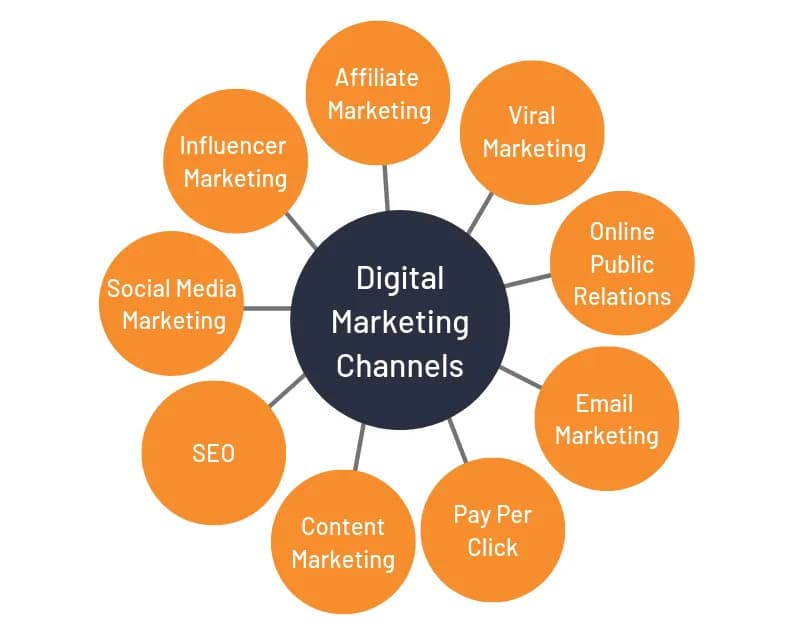
While SEO is a critical digital marketing channel that drives high-intent traffic, it is not strictly classified under performance marketing because you don’t pay directly for specific actions (like clicks or leads). However, its results are highly measurable and performance-oriented, making it a vital complementary strategy.
10. What is digital performance marketing?
Digital performance marketing is the application of performance marketing principles specifically within online channels. It emphasizes using digital tools and platforms—like ad networks, analytics software, and automation platforms—to execute, track, and optimize campaigns for measurable digital conversions.
Strategy, Tracking & Management
11. How do you track advertising channel performance?
Advertising channel performance tracking uses a combination of tools: tracking pixels/SDKs on your website, UTM parameters on your URLs, and robust analytics platforms (like Google Analytics 4). These tools work together to attribute conversions back to the specific channel, campaign, and even ad creative that drove them.
12. What is marketing performance management (MPM)?
Marketing performance management is the overarching discipline of measuring, analyzing, and improving the effectiveness and efficiency of marketing activities. It goes beyond tracking single campaigns to encompass budgeting, forecasting, ROI analysis across all channels, and aligning marketing metrics with overall business goals.
13. Why is creative so important in performance marketing?
While targeting and data are crucial, performance marketing creative (the ad images, videos, and copy) is what stops the scroll and compels action. In a privacy-focused world with less targeting data, creative performance marketing that resonates with your audience is the key to lowering costs and scaling campaigns effectively.
14. What are some effective performance marketing strategies for growth?
Key performance marketing strategies for performance marketing growth include: implementing a full-funnel approach, rigorous A/B testing of creatives and landing pages, leveraging first-party data for targeting, employing automated bidding strategies, and building a diversified channel mix to mitigate risk and discover new audiences.
15. How long does it take to see results from performance marketing?
Unlike brand campaigns, results from performance marketing can be seen almost immediately in terms of clicks and initial conversions. However, optimizing a campaign for efficient, scalable ROI typically takes 3-6 months. This period involves data collection, testing, and iterative improvements to find the winning formula.
Leads, Costs & Choosing a Partner
16. What is lead performance marketing?
Lead performance marketing focuses exclusively on generating qualified sales leads (e.g., contact information, demo requests) at an efficient Cost-Per-Lead (CPL). It involves optimizing forms, landing pages, and follow-up nurturing sequences to convert ad clicks into high-potential leads for a sales team.
17. How much does performance marketing cost?
Costs are variable and tied to results. You set a budget based on your target Cost-Per-Acquisition (CPA) or desired return on ad spend (ROAS). There's no standard "fee"—spend scales with performance. Agency fees, if used, may be a percentage of ad spend or a performance-based bonus structure.
18. How do I know if I need a performance marketing agency?
Consider a performance marketing agency if you: lack in-house expertise, need advanced tracking and attribution setup, want to scale quickly but don't have the time to manage daily optimizations, or seek access to premium tools and partner relationships. They act as an extension of your growth team.
19. What should I look for when choosing a performance-based digital marketing company?
When vetting a performance-based digital marketing company, look for: transparent case studies with clear metrics, a focus on your specific KPIs (not just clicks), expertise in your relevant paid performance channels, a clear explanation of their tracking and reporting methodology, and a compensation model that aligns with your success.
20. What are common pitfalls to avoid in performance marketing?
Common pitfalls include: focusing only on last-click attribution (which undervalues top-funnel efforts), neglecting landing page optimization, failing to test creatives, setting unrealistic CPA targets based on insufficient data, and not allowing enough time for the learning phase of campaigns before making drastic changes.
Advanced Insights & Trends
21. What kind of performance marketing insights should I be looking at?
Go beyond surface metrics. Valuable performance marketing insights include: customer lifetime value (LTV) by acquisition channel, attribution path analysis (understanding the full journey), creative fatigue rates, audience segment performance breakdowns, and seasonality trends that affect your cost and conversion rates.
22. What is AdoMobi in the context of performance marketing?
As mentioned in our blog, AdoMobi is an example of a technology platform that facilitates performance marketing at scale. It provides tools for advertisers to launch and track campaigns across a network of publishers, often using advanced formats like push notifications and interstitials, with payment models based on performance.
23. How is performance marketing evolving with privacy changes (like iOS updates)?
The decline of third-party cookies and device identifiers is pushing performance marketing toward greater reliance on first-party data, contextual targeting, and AI-driven predictive modeling. Strategies like creative performance marketing and building owned audiences (email lists) are becoming even more critical for success.
24. Can performance marketing work for B2B companies?
Absolutely. B2B performance marketing is highly effective, particularly for lead performance marketing. Channels like LinkedIn Ads, Google Search, and targeted content syndication can drive demo requests and whitepaper downloads at a measurable CPL. The sales cycle is longer, so tracking through to opportunity and revenue is key.
25. How do I get started with performance marketing for my business?
Define Goals & KPIs: Be specific (e.g., "Acquire 50 customers at a CPA under $100").
Audit & Setup: Ensure your website and tracking (Google Analytics, pixels) are correctly configured.
Start Small: Pick one primary performance marketing channel aligned with your audience.
Develop & Test: Create dedicated performance marketing creative and landing pages.
Launch, Measure, Optimize: Run campaigns, analyze advertising channel performance tracking data, and continuously refine. Consider consulting a specialist if you need to accelerate the process