What is Lead Generation Marketing?
Lead generation marketing is the process of attracting potential customers who show interest in your product or service and converting them into qualified business leads. It involves strategies like landing pages, online ads, email campaigns, SEO, and social media marketing to capture a user’s information—such as name, email, or phone number. The goal of lead generation is to connect with the right audience at the right time, nurture them through valuable content, and guide them toward becoming paying customers. Effective lead generation helps businesses grow faster, increase sales, and build long-term customer relationships.
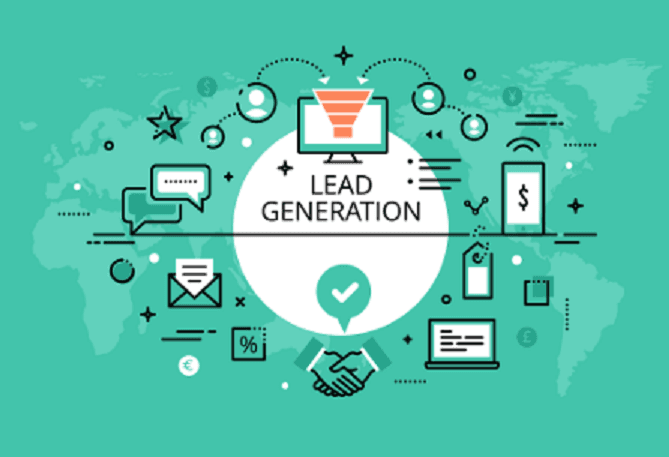
Lead generation marketing is a term you hear everywhere in the digital world, but most people still struggle to understand what it actually means. In the simplest possible language, lead generation is the process of finding people who might be genuinely interested in what your business offers — and then giving them a reason to connect with you. These people may not buy immediately, but they show some level of interest by sharing their details like their name, email, phone number, or business information. Once you have that connection, you can guide them step-by-step until they become your customer.
Think about how people buy today. Nobody wakes up and decides to purchase something without exploring their options — they search on Google, read reviews, watch videos, compare prices, and only then take the final decision. Lead generation simply helps a business appear in front of these people at the right moment. It builds the first bridge between a potential customer and a brand.
Businesses use different methods for this, like blogs, SEO, social media, ads, WhatsApp automation, webinars, landing pages, or even offering a free consultation. Any time a person willingly shares their contact details, that individual becomes a lead, which marks the beginning of a possible future sale.
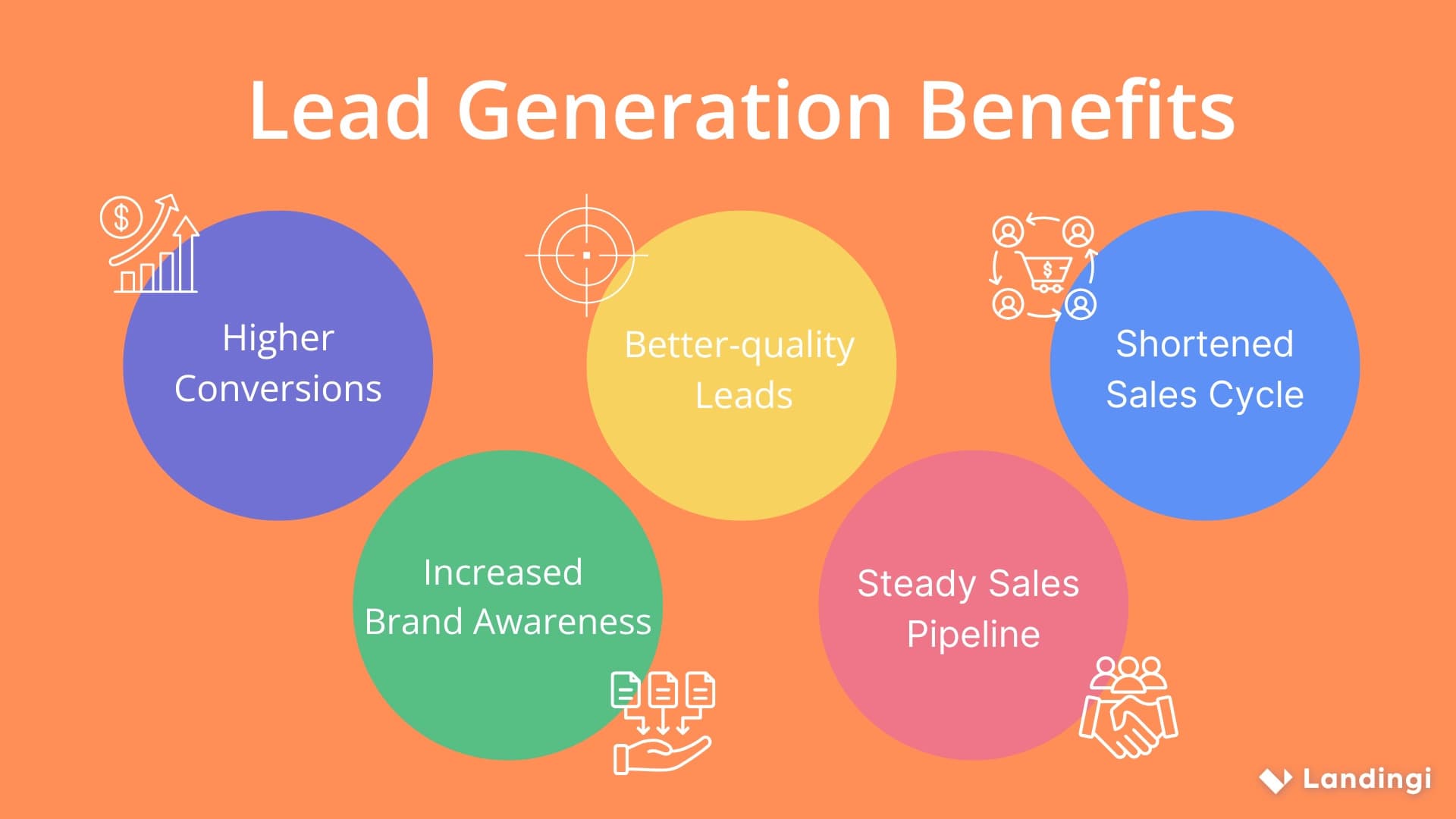
The beauty of lead generation marketing is that it focuses on attracting the right audience instead of wasting money on people who may never buy. For example, if you sell financial services, you don’t want students searching for part-time jobs, you want salaried people, business owners, or someone who is actively looking for investment guidance. When your marketing efforts reach the right people, your conversion rate automatically increases.
A strong lead generation system allows a business to grow consistently. When you know that new leads will continue coming every day or every week, you can plan your sales goals, revenue targets, and marketing campaigns with more confidence. In fact, most successful companies today depend on lead generation to maintain a steady sales pipeline — whether they are into real estate, healthcare, coaching, IT services, e-commerce, education, or any other industry.
One of the biggest reasons why lead generation is important is that buyers today have more options than ever. If you do not stay in regular touch with your potential customers, someone else will. When a prospect signs up through your form or downloads something useful from your site, they are giving you permission to reach out. This allows you to follow up, explain your offerings better, and build trust over time.
Trust is a major part of lead generation marketing. People don’t buy just because you have a website. They buy when they feel confident that your brand understands their problems and has a real solution. When your content is valuable, when your communication is clear, and when your approach is honest, people start responding. Lead generation is not only about capturing information — it is about winning trust before the sale happens.
A good lead generation strategy also educates your audience. Many people may not immediately understand the benefits of your product or may be confused about the value it provides. Through emails, blogs, videos, or messages, you slowly nurture them until they feel ready to make a decision. This process, known as lead nurturing, is one of the most powerful ways to turn interest into sales.
Another point that makes lead generation so effective is that it reduces your overall marketing cost. When you target the right audience from the beginning, you don’t have to run aggressive, expensive promotions later. You already have a group of people who showed interest — you just need to guide them smartly.
For example, if a coaching institute runs an ad offering a free career counselling session and 500 students register, the institute now has 500 potential buyers for future courses. Not all will join, but even if 20–30 convert, the marketing effort pays off many times over. This is exactly how lead generation creates long-term growth.
In many cases, a business may not get leads immediately from ads or SEO. But one good piece of content or one helpful resource can continue bringing leads for months. This long-term benefit is the reason why companies invest heavily in content marketing, email campaigns, and automated funnels.
Lead generation also plays a major role in understanding your market. When people sign up for something, you learn what they are searching for, what problems they face, what kind of solutions they expect, and how urgent their requirement is. This feedback helps you improve your product, pricing, and communication.
At its core, lead generation marketing is not a trick or a shortcut. It’s a disciplined process of attracting the right people, building trust, providing value, and gradually converting interest into sales. It is the backbone of modern digital marketing and the reason why many brands grow faster than their competitors.
Once you set up a reliable lead generation system, whether through SEO, ads, landing pages, videos, or WhatsApp automation, your business stops depending on luck. Instead, it begins to grow in a predictable and scalable way.