What is SEO Marketing? Importance, Definition, and Types (2026)
Search Engine Optimization (SEO) marketing has evolved far beyond keyword stuffing. In 2026, it's a holistic business growth strategy focused on user intent, authority, and experience. This complete guide breaks down the modern pillars of SEO—from semantic content and E-E-A-T to technical performance and AI trends providing a actionable framework to build sustainable organic visibility and outrank your competition.
The Complete Guide to SEO Marketing: Mastering Visibility in the Search-Driven World of 2026
Introduction: Why SEO Marketing Isn't What It Used to Be (And Why That's Great News)
Picture this: It's 2005. You've just launched your first website. To rank on Google, you sprinkle keywords like confetti, build links from shady directories, and watch as your site climbs to the first page—only to disappear months later when Google updates its algorithm. Fast forward to 2026: SEO marketing has evolved from a technical game of algorithmic chess to a sophisticated discipline centered on human experience, value creation, and strategic intent alignment.
Search Engine Optimization marketing has become the cornerstone of digital visibility, with 53.3% of all website traffic originating from organic search. Yet despite its importance, 90.63% of pages get no organic traffic from Google at all. This staggering gap represents both a challenge and an unprecedented opportunity for businesses willing to master modern SEO.
In this comprehensive 4000-word guide, we'll explore SEO marketing through a 2026 lens—moving beyond basic definitions to uncover strategic frameworks, emerging trends, and actionable methodologies that separate ranking contenders from permanent also-rans.
Chapter 1: SEO Marketing Redefined for the Intelligence Era
What is SEO Marketing in 2026?
SEO marketing in 2026 transcends its technical roots to become a holistic business growth strategy that aligns website optimization with user intent, brand authority, and conversion architecture. It's the systematic process of making your digital presence discoverable, valuable, and conversion-ready for people actively seeking solutions you provide.
The evolution is profound: where SEO once meant optimizing for search engines, today it means optimizing for searchers—with search engines as the intermediary rewarding those who best serve user needs.
The Core Paradigm Shift: From Keywords to Context
The most significant change in SEO thinking has been the shift from keyword-centric to context-aware optimization. Google's 2019 BERT update began this transformation, but by 2026, semantic understanding and user intent mapping have become the bedrock of successful SEO.
Consider this comparison:
Traditional SEO (Pre-2020):
Primary focus: Exact keyword matching
Content creation: Keyword density rules
Success metric: Rankings for specific terms
Approach: Isolated optimizations
Modern SEO Marketing (2026):
Primary focus: Topic clusters and intent fulfillment
Content creation: Comprehensive value delivery
Success metric: User satisfaction and conversion
Approach: Holistic experience optimization
This shift means that rather than asking "What keywords should I target?", savvy marketers now ask: "What questions are my ideal customers asking at each stage of their journey, and how can I become the definitive answer?"
SEO vs. SEM: The Synergistic Relationship
While the provided overview accurately distinguishes SEO from SEM, the 2026 perspective reveals their deepening integration:
Convergence Points in 2026:
Data Sharing: SEO insights inform SEM bidding strategies, while SEM conversion data reveals high-intent keywords for organic targeting.
Unified Experience: Top-performing brands maintain messaging consistency between organic listings and paid ads.
Remarketing Integration: Organic visitors become remarketing audiences for paid campaigns.
Testing Ground: SEM serves as a low-risk testing environment for messaging that later informs SEO content.
The most forward-thinking organizations no longer maintain siloed SEO and SEM teams but integrate them into Unified Search Strategy departments with shared KPIs and collaborative workflows.
Chapter 2: The Business Case: Why SEO Marketing Is Non-Negotiable in 2026
The Trust Economy: SEO as Credibility Infrastructure
In an era of digital skepticism, search engine rankings have become implicit trust signals. Consider these 2026 statistics:
67% of consumers consider first-page Google results more trustworthy than brand advertisements
Websites ranking #1 in organic search are perceived as 32% more credible than those ranking lower
81% of B2B purchase cycles begin with a search query
This trust dynamic transforms SEO from a traffic acquisition channel to brand equity infrastructure. Each ranking represents not just potential visitors but credibility endorsement from the world's most sophisticated relevance algorithm.
Economic Advantages Beyond Traffic
While cost-efficiency remains a compelling advantage (organic search drives over 40% of revenue for content-focused businesses), the 2026 value proposition extends further:
1. Compound Returns
Unlike paid channels that stop delivering when funding stops, quality SEO investments continue generating returns for years. A single comprehensive guide can attract qualified traffic indefinitely—what content strategists call "evergreen equity."
2. Market Intelligence Engine
Search data provides unprecedented insight into customer psychology. The questions people ask, the terminology they use, and the solutions they seek reveal opportunities even the most expensive market research might miss.
3. Competitive Defense
In saturated markets, organic visibility creates competitive moats. A competitor can outspend you on ads but cannot quickly replicate years of accumulated authority, backlinks, and optimized content.
4. Platform Independence
While social media algorithms change whimsically and advertising costs fluctuate, Google's core mission—organizing information—remains consistent. SEO builds equity on what is arguably the most stable digital real estate.
The Mobile-First Reality
With 72% of global internet traffic now coming from mobile devices, Google's mobile-first indexing has made responsive optimization non-negotiable. But 2026's mobile SEO extends beyond technical compatibility to mobile experience excellence:
Voice search optimization (projected to be 50% of all searches by 2026)
Accelerated Mobile Pages (AMP) for lightning-fast loading
Mobile-specific user journeys with simplified navigation
Thumb-friendly design principles
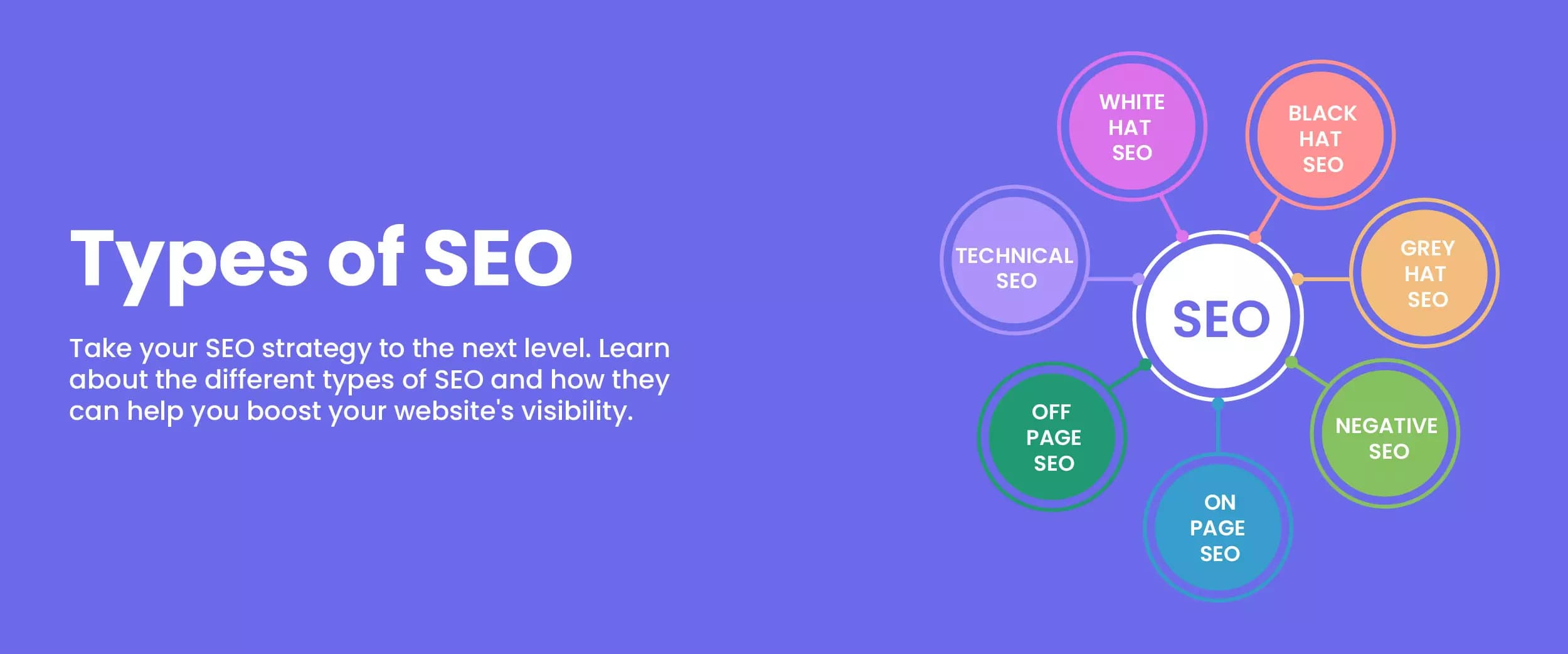
Chapter 3: The Three Pillars of Modern SEO Marketing
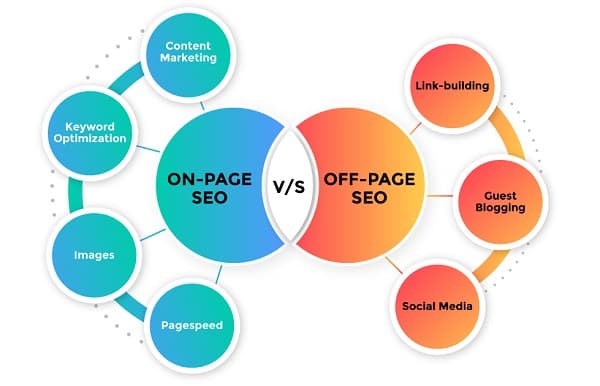
Pillar 1: On-Page SEO – Where Content Meets Context
Modern on-page SEO has evolved from isolated optimizations to holistic page experience design. The 2026 approach integrates several sophisticated layers:
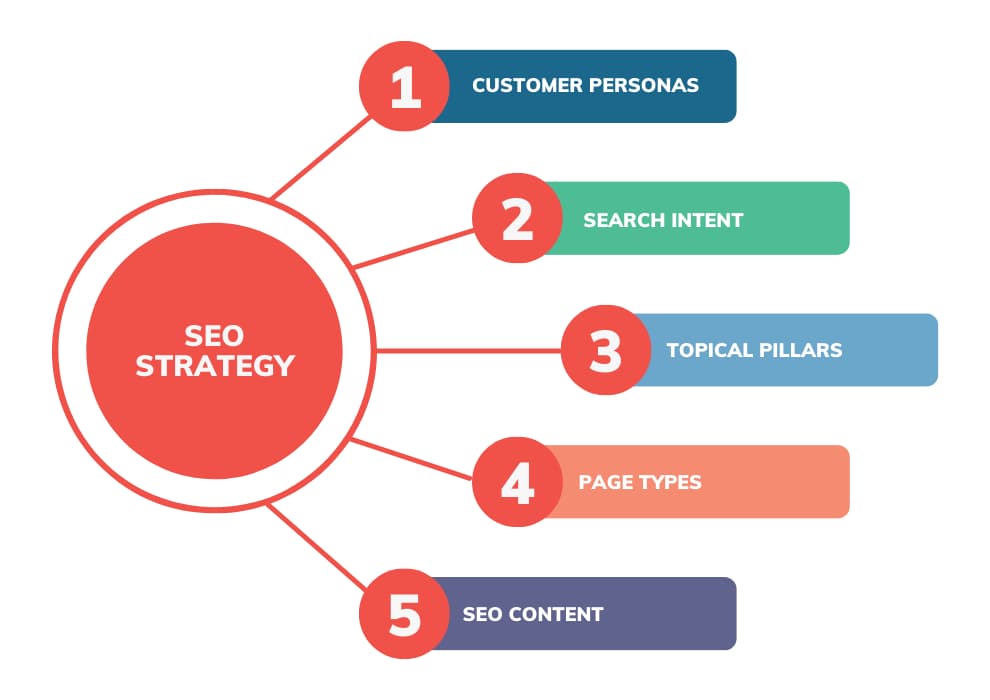
Intent Alignment Framework
Each page should align with one of four core search intents:
Informational: Seeking knowledge ("how to tie a tie")
Navigational: Looking for a specific site ("Facebook login")
Commercial: Researching before buying ("best running shoes 2026")
Transactional: Ready to purchase ("buy Nike Air Max")
Advanced practitioners create intent clusters—groups of pages addressing related intents that collectively dominate a topic.
Comprehensive Content Architecture
Google's 2025 "Project Topic Authority" update rewarded depth over breadth. The winning formula:
Pillar Pages: Comprehensive guides covering a topic exhaustively (3000+ words)
Cluster Content: Supporting articles addressing subtopics and related questions
Content Upgrades: Interactive elements (calculators, assessments, tools) that increase engagement
Multimedia Integration: Videos, infographics, and interactive elements that cater to diverse learning preferences
Semantic Optimization
Beyond primary keywords, successful pages incorporate:
Related entities (people, places, concepts connected to your topic)
Synonym integration
Question formulations
Topic-subtopic relationships
Metadata as Conversation Starters
Title tags and meta descriptions have evolved from keyword containers to click-magnets. The 2026 best practices:
Emotional triggers in meta descriptions
Benefit-focused titles
Length optimization for featured snippet eligibility
Schema markup integration for rich results
Pillar 2: Off-Page SEO – The Authority Ecosystem
If on-page SEO is what you say about yourself, off-page SEO is what others say about you. The 2026 authority landscape emphasizes quality, relevance, and editorial discretion.
The E-E-A-T Evolution
Google's E-E-A-T framework (Experience, Expertise, Authoritativeness, Trustworthiness) has become the north star for quality assessment. Implementation strategies:
Experience Signals:
First-person case studies
"Day in the life" content
Customer journey documentation
Behind-the-scenes insights
Expertise Validation:
Industry certification highlighting
Guest contributions to academic journals
Conference speaking engagements
Patent filings or proprietary methodologies
Authoritativeness Building:
Digital PR campaigns targeting industry publications
Research papers and original data studies
Interview series with recognized experts
Association leadership positions
Trustworthiness Demonstrations:
Transparent business practices documentation
Customer verification seals
Security certification display
Clear contact and location information
Strategic Link Building 2.0
The "spray and pray" approach to link building has been replaced by relationship-first authority building:
Digital PR: Creating newsworthy research, surveys, or industry reports
Resource Link Bait: Developing genuinely useful tools, calculators, or templates
Expert Roundups: Featuring industry leaders with built-in sharing incentives
Broken Link Building: Finding and replacing dead resources with superior content
Guest Contribution Strategy: Writing for publications read by your ideal customers
Brand Mentions and Implied Links
With Google's improved entity recognition, even unlinked brand mentions now contribute to authority. Monitoring tools can identify these opportunities for conversion to followed links.
Pillar 3: Technical SEO – The Performance Foundation
Technical SEO in 2026 is less about "fixing errors" and more about creating seamless experiences that both users and crawlers appreciate.
Core Web Vitals Excellence
Google's user experience metrics have become ranking factors. The 2026 standards:
Largest Contentful Paint (LCP): <2.5 seconds
First Input Delay (FID): <100 milliseconds
Cumulative Layout Shift (CLS): <0.1
Advanced implementations include:
Predictive loading for likely next pages
Advanced caching strategies
Critical CSS inlining
Next-gen image formats (WebP, AVIF)
JavaScript SEO Mastery
With single-page applications becoming commonplace, technical SEO now requires:
Dynamic rendering for crawlers
History API implementation for crawlable URLs
Pre-rendering services
Progressive enhancement principles
Structured Data as Interface
Schema markup has evolved from optional enhancement to essential interface between websites and search engines. Advanced implementations include:
FAQ schema for voice search readiness
How-to schema for visual rich results
Product schema with real-time pricing
Event schema for local visibility
International SEO Architecture
For global businesses, 2026 technical SEO includes:
Hreflang tag implementation
Country-specific hosting considerations
Currency and language auto-detection
Cross-border tax and compliance signaling
Chapter 4: The SEO Marketing Toolkit: 2026 Implementation Framework
Advanced Keyword Research Methodology
The 2026 keyword researcher operates more like an anthropologist than a data analyst. The process:
Phase 1: Intent Discovery
Search query analysis across the customer journey
Question mining from forums, communities, and social media
Competitor gap analysis using tools like Ahrefs, SEMrush, and Moz
Voice search query collection from smart device logs
Phase 2: Semantic Mapping
Topic clustering using AI tools
Search volume to difficulty ratio analysis
Seasonality and trend forecasting
Local intent identification
Phase 3: Opportunity Prioritization
A sophisticated scoring matrix evaluates:
Commercial intent alignment
Existing authority leverage potential
Content format match (guide vs. answer vs. comparison)
Competitive gap exploitability
Resource requirement assessment
Content Strategy for Topic Dominance
The 2026 content calendar focuses not on individual pieces but on topic ecosystem development:
The Hub-and-Spoke Model:
Identify 3-5 core topics central to your business
Create definitive pillar content for each (5000+ words)
Develop 8-12 supporting cluster pieces addressing subtopics
Interlink to create semantic density signals
Regularly update based on performance data and new developments
Content Experience Enhancement:
Interactive elements (calculators, configurators, assessments)
Multimedia integration with transcript optimization
Downloadable resources with lead capture
Community elements (comments, user-generated content)
Link Building as Relationship Architecture
Modern link acquisition follows a systematic framework:
Stage 1: Asset Creation
Develop link-worthy resources:
Original research with proprietary data
Industry benchmarks and standards
Free tools with genuine utility
Comprehensive guides unavailable elsewhere
Stage 2: Relationship Initiation
Identify potential linking partners through content gap analysis
Engage through value-first outreach (sharing their content, commenting thoughtfully)
Personalize communication based on recipient's work
Stage 3: Strategic Placement
Guest contributions to authoritative publications
Resource page inclusion requests
Broken link replacement campaigns
Expert commentary on trending topics
Stage 4: Amplification and Maintenance
Social promotion of content featuring your links
Regular checking for link preservation
Relationship nurturing for future opportunities
Technical Implementation Checklist
A quarterly technical SEO audit should include:
Performance Metrics:
Core Web Vitals assessment
Mobile usability testing
Page speed analysis across geographies
Crawlability Assurance:
robots.txt validation
XML sitemap completeness and accuracy
Internal link structure analysis
JavaScript rendering verification
Structured Data Implementation:
Schema markup testing
Rich result eligibility verification
Voice search optimization check
Security and Accessibility:
HTTPS implementation verification
Accessibility compliance assessment
Internationalization readiness
Chapter 5: Measurement and Optimization: The SEO Feedback Loop
Beyond Traffic: The 2026 SEO KPI Framework
Modern SEO success metrics form a pyramid:
Foundation Metrics (Technical Health):
Core Web Vitals scores
Crawl budget efficiency
Index coverage rate
Visibility Metrics (Presence):
Keyword rankings for priority terms
Featured snippet acquisition rate
Image/search visibility share
Engagement Metrics (Experience):
Organic click-through rate
Dwell time and pages per session
Bounce rate by landing page
Conversion Metrics (Impact):
Organic conversion rate
Revenue per organic visitor
Customer acquisition cost from organic
Authority Metrics (Growth Potential):
Domain authority trends
Backlink velocity and quality
Branded search volume growth
The Continuous Optimization Cycle
SEO in 2026 operates on continuous improvement cycles:
Weekly:
Ranking fluctuations analysis
Technical error monitoring
Content performance quick wins
Monthly:
Comprehensive traffic and conversion analysis
Competitor movement assessment
Link acquisition progress review
Quarterly:
Full technical audit
Content gap analysis against competitors
Strategy adjustment based on performance data
Annually:
Industry trend integration
Tool and technology assessment
Team skill development planning
Predictive SEO: Using AI for Forecasting
Advanced SEO teams now employ:
Machine learning models predicting ranking impacts
Algorithm update early warning systems
Seasonal trend forecasting
Competitor strategy prediction
Chapter 6: The Future of SEO Marketing: 2027 and Beyond
AI Integration and Human Oversight
The AI revolution in SEO presents both opportunities and risks:
Opportunities:
Content research acceleration
Technical issue prediction
Personalization at scale
Multilingual optimization efficiency
Risks and Mitigations:
Quality Dilution: Maintain human editorial oversight
Algorithm Penalties: Follow E-E-A-T principles rigorously
Homogenization: Inject unique perspectives and experiences
Ethical Concerns: Transparent AI use disclosure
Voice and Visual Search Dominance
By 2027, projections indicate:
65% of searches will be voice-initiated
40% of young users will prefer visual search
SEO will expand to include sonic branding for voice devices
Image and video optimization will equal text optimization importance
Personalization and Privacy Balance
With increasing privacy regulations, SEO will need to balance:
Personalization expectations
Privacy compliance requirements
Zero-party data utilization
Contextual targeting sophistication
Web3 and Decentralized Search
Emerging considerations:
Blockchain-based content verification
Decentralized search platforms
Tokenized engagement rewards
Metaverse presence optimization
Conclusion: SEO Marketing as Business Intelligence
In 2026, SEO marketing has matured from a tactical channel to a strategic business discipline. The most successful organizations treat SEO not as a department but as a company-wide philosophy—a commitment to being findable, valuable, and credible to those seeking what they offer.
The future belongs to businesses that understand SEO as a conversation: listening to searchers' questions, understanding their context, and providing answers so comprehensive that search engines have no choice but to present them as the solution.
As you implement these strategies, remember that SEO excellence in 2026 requires balancing three elements:
Technical precision that makes content accessible
Creative value that makes content remarkable
Strategic patience that allows authority to compound
The websites that will dominate search results in 2027 aren't those gaming today's algorithm but those building tomorrow's authority—one valuable answer at a time.
Free SEO Marketing Checklist for 2026
Want to implement these strategies? Download our comprehensive SEO Marketing Checklist covering:
Quarterly technical audit procedures
Content planning templates by intent type
Link building outreach frameworks
Performance monitoring dashboards
Algorithm update response protocols
Get Your Free SEO Marketing Checklist
About the Author: Shubham Dholke has been helping businesses achieve organic visibility since 2015. Our team of SEO strategists, content architects, and technical specialists stays ahead of algorithm changes so you can focus on what matters—growing your business. Have questions about implementing 2026 SEO strategies? Contact our team for a complimentary visibility assessment.